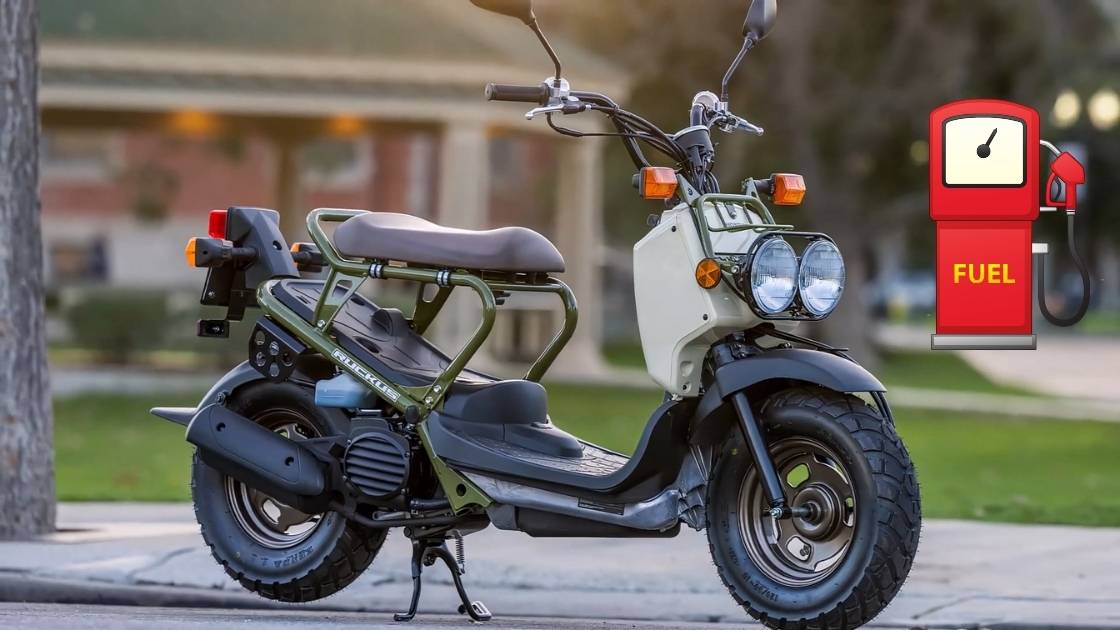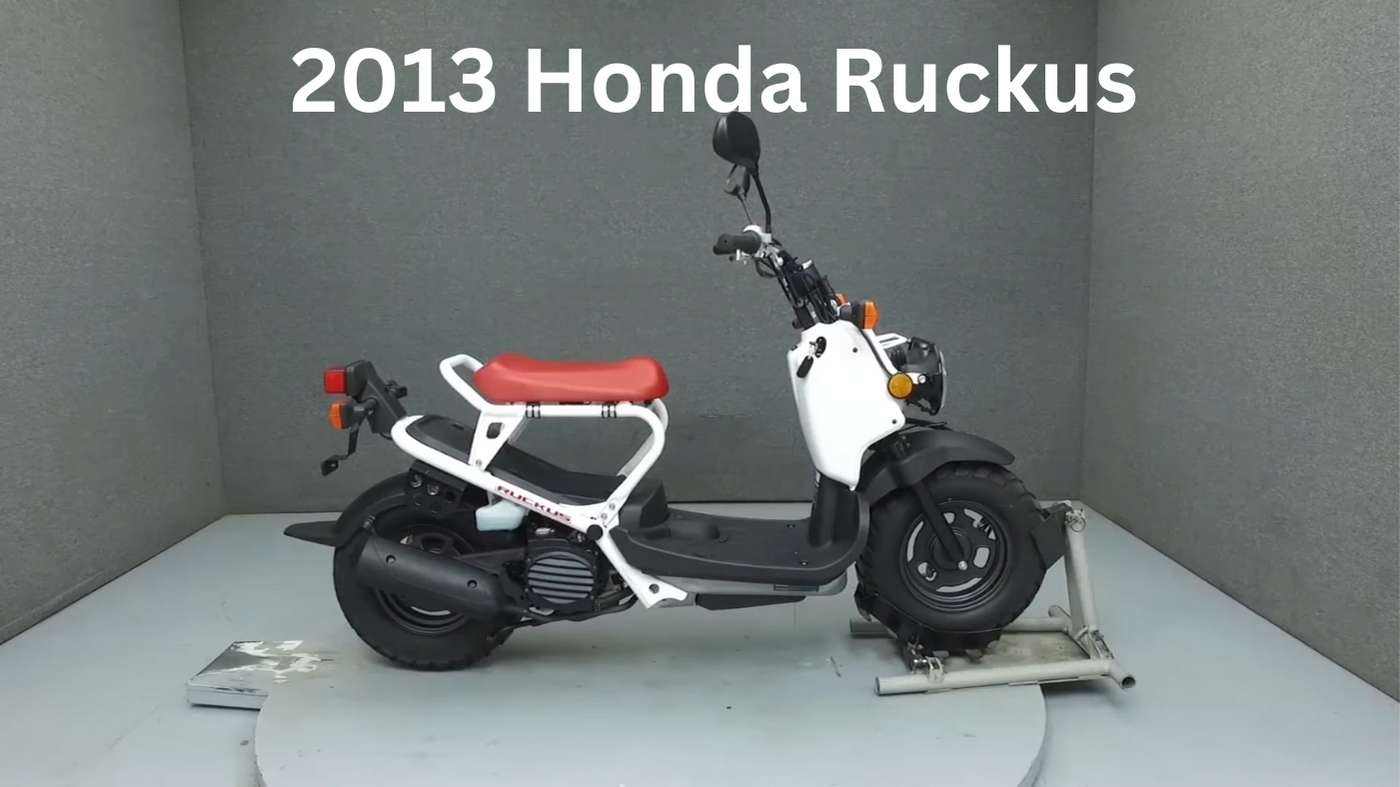

The Honda Ruckus is popular for its rugged style and dependable build, but its stock speed often leaves riders wanting more. With a small 49cc four-stroke engine and CVT transmission, it is designed for fuel efficiency and reliability, not performance. Many riders quickly notice slow acceleration and a limited top speed. The good news is that several simple upgrades can transform the ride. By improving airflow, fuel delivery, and reducing weight, you can gain noticeable speed. This guide explains proven modifications like variator kits, lighter roller weights, performance exhausts, and CDI upgrades, helping you choose the right path to make your Honda Ruckus faster.
Table of Contents
ToggleWhy the Honda Ruckus Feels Slow in Stock Form
The Honda Ruckus feels slow because of the way it is built from the factory. The small 49cc engine produces limited horsepower, which restricts both acceleration and top speed. This design choice keeps the scooter safe for new riders and compliant with licensing rules in many regions.
Another reason for the slow feeling is the continuously variable transmission (CVT). The stock variator and roller weights are tuned for smoothness and fuel economy, not performance. As a result, the scooter struggles to build speed quickly on open roads.
Weight also plays a role. The Ruckus has a steel frame and wide tires that add durability but increase resistance. Combined with its low power output, this makes the scooter feel sluggish when compared to lighter mopeds or larger scooters.
Factory restrictions further limit performance. The stock CDI unit includes a rev limiter that caps engine speed, preventing the scooter from reaching higher top-end performance. This safety feature ensures reliability but contributes to the lack of speed many riders notice.
Essential Mods to Boost Honda Ruckus Speed
Upgrading specific parts of your Honda Ruckus is the most effective way to improve speed. Each modification targets a performance limitation in the stock setup. By focusing on proven upgrades, you can achieve faster acceleration and a higher top speed.
Variator and Roller Weights Upgrade
Replacing the stock variator with a performance version allows the engine to use power more efficiently. A lighter set of roller weights helps the scooter accelerate quicker by letting the engine rev higher before shifting. Polini and NCY variators are popular because they deliver consistent results for daily use.
High-Performance Exhaust Systems
A stock exhaust restricts airflow, which limits power. Switching to a performance exhaust improves exhaust flow and increases top speed. Brands like Yoshimura and NCY offer options that balance noise control with speed gains. This upgrade works best when paired with intake or carburetor changes.
High-Flow Air Filters and Intake Mods
A high-flow air filter increases the amount of air entering the engine. More air allows better combustion and improves throttle response. Intake kits designed for the Ruckus provide an easy way to replace the stock airbox with a performance-focused setup.
CDI and Ignition Upgrades
The stock CDI prevents the engine from revving beyond a set limit. Installing an aftermarket CDI removes this restriction and allows higher engine speeds. NCY produces reliable options that improve top-end performance without harming everyday reliability.
Carburetor Jetting and Fuel Tuning
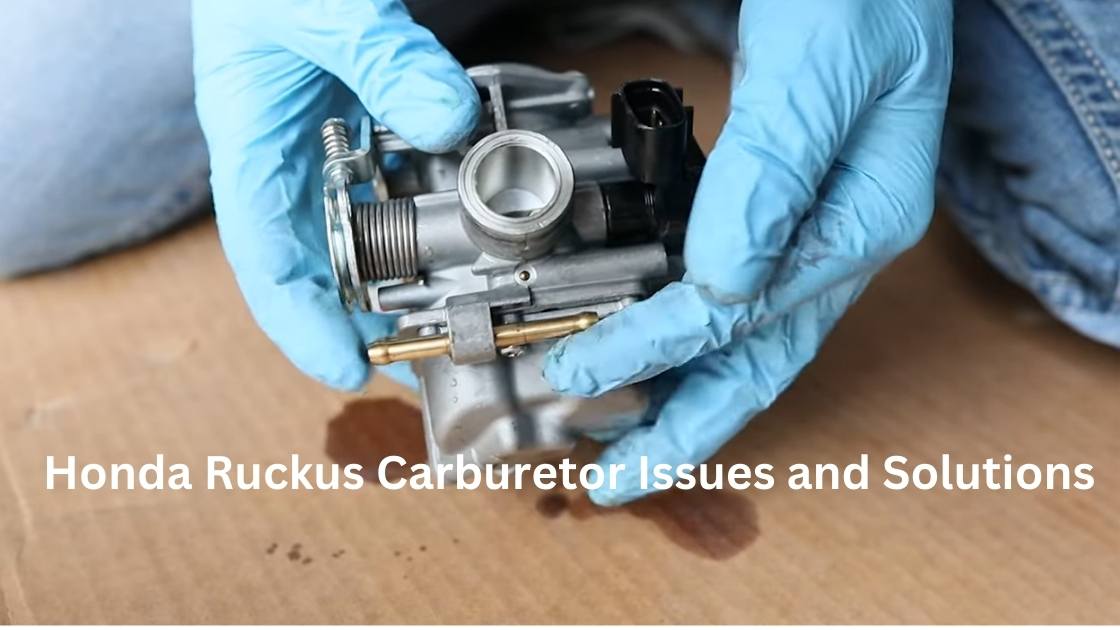
The carburetor controls how much fuel mixes with air. Stock jetting is conservative and limits performance. Rejetting the carburetor ensures the engine receives the right amount of fuel after intake or exhaust upgrades. Correct jetting prevents sluggish response and protects the engine from running lean.
Big Bore Kits and Engine Upgrades
A big bore kit increases the size of the engine cylinder, which produces more power. This upgrade provides the most significant speed gains but requires more mechanical skill to install. It also adds stress to the engine, so it suits riders who want maximum performance and accept higher maintenance.
Weight Reduction and Light Accessories
Removing unnecessary parts reduces overall scooter weight. Lighter wheels, seats, or body panels make the Ruckus accelerate faster and feel more responsive. This modification is simple and cost-effective compared to mechanical upgrades.
Supporting Tweaks for Better Performance
Major upgrades provide noticeable gains, but smaller changes can also improve the way your Honda Ruckus rides. These supporting tweaks enhance stability, reliability, and safety when combined with performance mods.
Proper Tire Pressure and Maintenance
Keeping your tires at the correct pressure reduces rolling resistance and improves acceleration. Underinflated tires slow the scooter and make handling less predictable. Check your tire pressure regularly and replace worn tires to maintain consistent grip at higher speeds.
Upgrading Drive Belt and Clutch Springs
The drive belt connects the engine to the rear wheel, and the stock belt can wear out quickly under higher stress. A reinforced belt handles power more effectively and prevents slipping. Stronger clutch springs engage at higher RPMs, which sharpens throttle response and provides smoother acceleration.
Suspension and Handling Improvements for Safe Speed
Faster scooters need better stability. Upgraded suspension absorbs bumps more effectively and keeps the tires in contact with the road. Stronger shocks or adjustable options reduce wobble and improve cornering at higher speeds. Better handling ensures that speed upgrades remain safe during everyday riding.
Cost vs. Performance — Which Mods Are Worth It?
Not every upgrade delivers the same value for the money. Some modifications provide big improvements at low cost, while others require a larger budget with results that may not suit daily riding. Knowing which parts are worth the investment helps you avoid wasting money.
Cheapest Mods with the Biggest Gains
Variator kits and lighter roller weights are affordable and produce clear improvements in acceleration. A high-flow air filter is another inexpensive option that increases airflow and throttle response. These entry-level parts deliver speed gains without requiring major changes to the engine.
Long-Term Upgrades for Serious Riders
Performance exhaust systems cost more but offer strong results when combined with intake and carburetor adjustments. CDI upgrades and clutch spring replacements also fit into a mid-level budget and improve top speed and responsiveness. Riders who want maximum performance can consider big bore kits, but these involve higher costs, more maintenance, and mechanical skill.
What Not to Waste Money On
Cosmetic parts and oversized accessories do not improve speed and may even add extra weight. Heavy aftermarket wheels reduce acceleration instead of helping it. Avoid expensive parts that only change appearance if your main goal is faster performance.
Step-by-Step Upgrade Path for Beginners
Making your Honda Ruckus faster works best when you follow a clear order. Starting with simple changes gives you results without adding risk. Building upgrades in steps also helps you manage costs and learn how each part affects performance.
Start with Variator and Roller Weights
Begin with a performance variator and lighter roller weights. This upgrade gives you a noticeable increase in acceleration and top speed. It also prepares your scooter for later modifications by making better use of engine power.
Add Exhaust and Intake for Mid-Level Tuning
After upgrading the variator, replace the stock exhaust with a performance version. Pair it with a high-flow air filter or intake kit. This combination improves airflow and makes the scooter more responsive. Rejetting the carburetor after these changes ensures smooth operation.
Consider Bore Kits for Maximum Performance
A big bore kit should only be installed if you want the highest possible speed. This step increases engine size and power, but it also adds more maintenance and cost. It suits experienced riders who want a long-term project and are comfortable with engine work.
Final Thoughts: Unlocking the True Potential of Your Ruckus
The Honda Ruckus is reliable in stock form, but it feels slow for riders who want more excitement. By choosing the right upgrades, you can turn it into a scooter that accelerates quicker and maintains higher speeds. Start with affordable changes like variator kits and roller weights, then move to intake and exhaust improvements for stronger gains. Only consider a big bore kit if you are ready for extra maintenance and higher costs. With the right plan, you can unlock the true potential of your Ruckus while keeping it safe and enjoyable for everyday use.
Frequently Asked Questions
Can a Honda Ruckus go highway speeds with mods?
Even with multiple upgrades, the Honda Ruckus is not suited for highway use. The small 49cc engine cannot safely sustain highway speeds. Most modified Ruckus scooters reach between 45 and 55 mph, which is still below the legal minimum speed for most highways.
What is the safest mod for daily commuting?
The safest and most effective first mod is a variator and roller weight upgrade. This improves acceleration without reducing reliability. It also keeps the scooter easy to ride in stop-and-go traffic.
How fast can a fully modded Ruckus go?
A Ruckus with a big bore kit, performance exhaust, intake upgrades, and CDI tuning can reach about 55 mph. Results vary depending on rider weight, road conditions, and tuning accuracy. Beyond this point, further speed requires engine swaps, which turn the scooter into a different build.
Do mods affect fuel economy?
Most performance upgrades reduce fuel economy slightly. Variator changes and exhaust swaps usually cause minor drops. Big bore kits and aggressive carburetor tuning create the largest decrease. If you want to keep fuel efficiency close to stock, limit upgrades to lighter rollers and intake improvements.